
The global transition toward climate-aligned public finance has reached a critical juncture. As senior finance leaders move beyond high-level commitments, they are managing an increasingly complex ecosystem of green workstreams, including national green budgeting, climate tracking, and the issuance of green bonds. While these tools support the same national environmental goals, they are often rooted in different policy commitments and managed by separate departments.
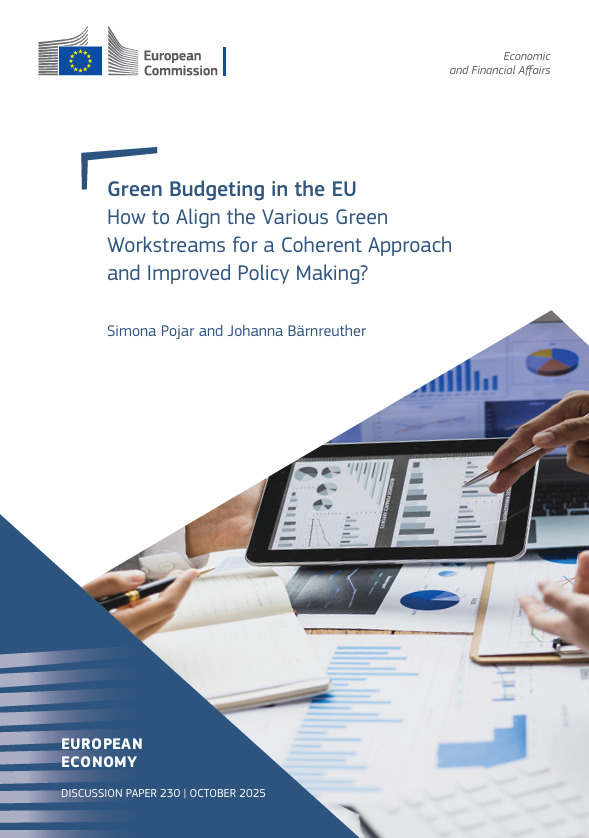
A recent European Commission discussion paper highlights that this fragmentation creates significant integration debt for finance ministries. To move from policy to performance, governments must bridge the gap between disparate data sets and create a unified digital foundation for green public financial management (PFM).
Addressing the Integration Debt in Public Finance
At the core of the issue is a lack of common definitions. Because various green tools were developed at different times, the criteria for what is considered green or brown can differ across reporting frameworks. For senior leaders, this lack of harmonization leads to several strategic and operational hurdles:
- Heightened administrative burden: Using non-integrated tools to apply different sets of criteria across the same budget items increases the workload for civil servants and risks human error.
- Inconsistent reporting and fiscal risks: Different levels of analytical granularity between tools can lead to contradictory data regarding the environmental impact of public spending, undermining fiscal credibility.
- Transparency gaps: Without a single source of truth, it is difficult for finance leaders to prove that budget execution aligns with the Do No Significant Harm (DNSH) principle, a requirement increasingly tied to international funding.
FreeBalance offers an approach that addresses these challenges through a unified Chart of Accounts. By embedding green taxonomies directly into the core financial system, governments can ensure that every transaction is tracked against a consistent set of environmental criteria from the outset.
From Budget Tagging to Impact Transparency
The current reporting landscape identifies a significant shift in expectations. It is no longer enough to simply tag a budget item as green during the planning phase. International investors and oversight bodies now demand impact reporting, such as specific data on greenhouse gas emissions avoided or biodiversity protected.
Linking the input side (expenditure) with the impact side (results) remains a primary challenge due to underdeveloped methods and fragmented data. Many legacy systems are designed to track where money goes, but not what it achieves.
Integrated and interoperable PFM systems provide the foundation for navigating this complexity, supporting fiscal resilience by improving decision-making under pressure.
Modern, performance-based systems are essential here. By integrating performance indicators with financial data, finance ministries can automate the collection of the evidence required for Green Bond impact reports. This level of transparency is what reinforces the social contract and maintains market confidence in an era of fiscal uncertainty.
Future-Proofing through Configurable Infrastructure
The nature of climate-friendly investment is inherently dynamic. What is considered green today may change as technical solutions evolve or legal requirements become more stringent.
Static financial systems cannot adapt to these shifts without costly and time-consuming manual updates. A configurable digital infrastructure, such as the FreeBalance Accountability Suite™, allows for the real-time adjustment of taxonomies and tracking criteria. This flexibility ensures that the PFM system remains a reliable tool for decision-making, rather than a barrier to progress.
Building fiscal resilience against climate change depends on a dual commitment to modernizing digital infrastructure and dismantling data silos. These robust systems provide the essential foundation for the transparência and accountability required in contemporary public financial management.
To find out more about the FreeBalance Accountability Suite™, entre em contato com um de nossos especialistas em PFM.